
Mimosa Hostilis Root Bark: Complete Botanical Guide
Introduction
Mimosa Hostilis Root Bark, commonly referred to as MHRB, is one of the most recognized botanical materials associated with the Mimosa tenuiflora species.
Known historically by several names including Mimosa hostilis, Jurema preta, and Tepezcohuite, this plant belongs to the Fabaceae family and grows naturally in regions of Central and South America. WikiDoc
At Plant Boanicals, we focus on presenting botanical collections through accurate identification, detailed information, and premium product organization. This guide explores the botanical background, characteristics, and different formats associated with Mimosa Hostilis Root Bark.
What Is Mimosa Hostilis Root Bark?
Mimosa Hostilis Root Bark refers to the bark material obtained from the roots of the Mimosa tenuiflora plant.
The species is a perennial tree or shrub recognized for its resilience, tropical adaptation, and distinctive botanical characteristics. It is native to northeastern Brazil and extends into parts of Mexico and other regions of Central America. WikiDoc
The plant has a long history of traditional and cultural significance in regions where it naturally grows, with different communities recognizing the species through local names and botanical knowledge systems.
Scientific Classification of Mimosa Hostilis
Understanding botanical classification helps distinguish plants accurately.
Botanical Information
Scientific Name:
Mimosa tenuiflora
Common Name:
Mimosa Hostilis
Family:
Fabaceae
Genus:
Mimosa
Plant Type:
Perennial shrub/tree
Mimosa tenuiflora is the currently accepted scientific name, while Mimosa hostilis is commonly encountered as a historical synonym.
Origins and Natural Habitat
Mimosa tenuiflora naturally occurs in tropical and subtropical environments.
The species is particularly associated with:
- Northeastern Brazil
- Southern Mexico
- Central American regions Wikipedia
Its ability to adapt to challenging environments has contributed to its recognition as an important plant species within botanical studies.
The natural environment where a plant grows can influence characteristics such as:
- Growth patterns
- Bark appearance
- Fiber structure
- Natural coloration
Shop Botanical Extract From Either Of Both Origins using the Link Below;
Understanding MHRB Formats
Mimosa Hostilis Root Bark is commonly presented in different physical formats.
At Plant Boanicals, botanical collections are organized according to presentation and preparation style.
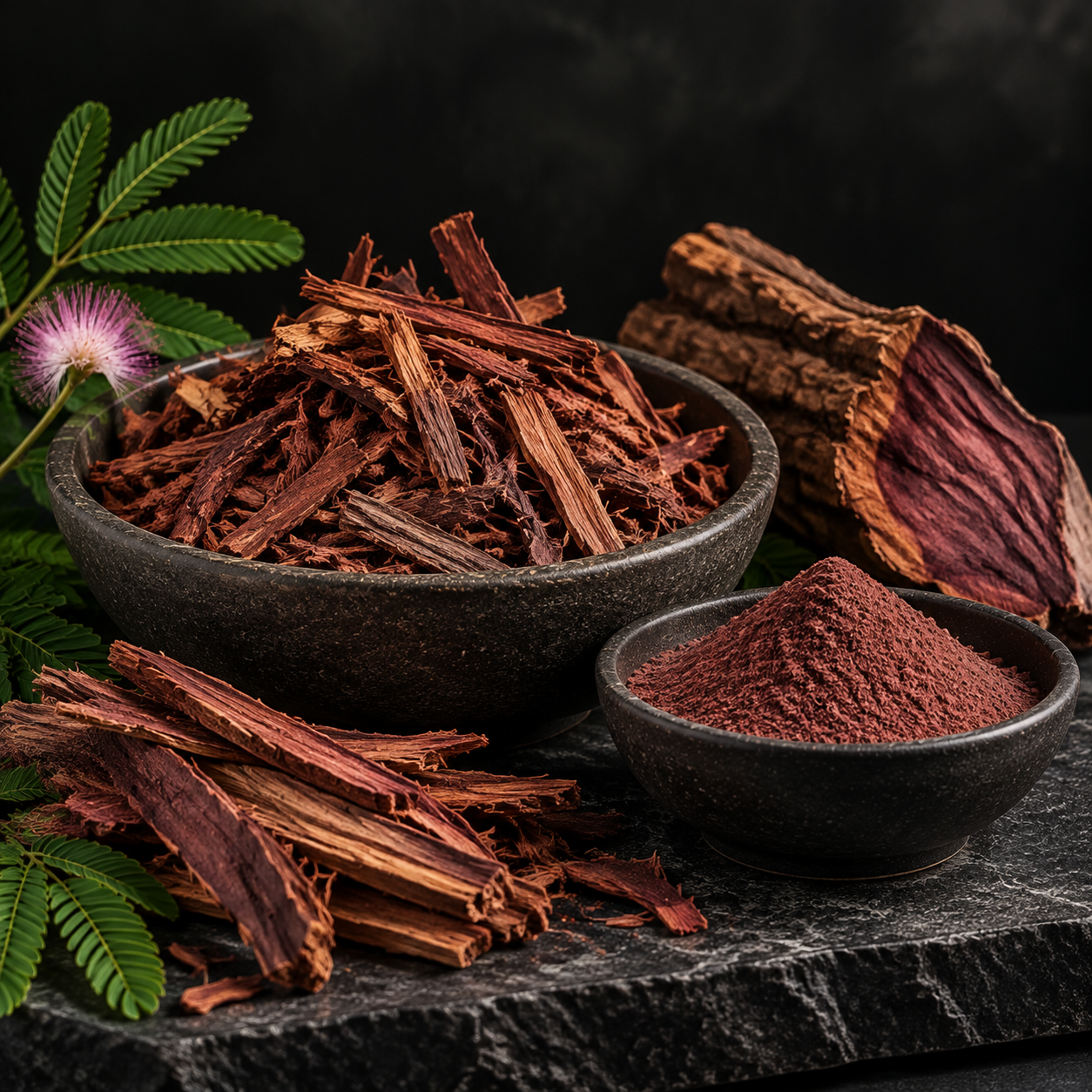
Whole Mimosa Hostilis Root Bark
Whole root bark represents the least processed format.
Characteristics include:
- Natural bark structure
- Visible plant fibers
- Original botanical appearance
- Minimal processing
This format allows collectors and enthusiasts to observe the natural characteristics of the material.
Shredded Mimosa Hostilis Root Bark
Shredded root bark provides a smaller, more uniform presentation while maintaining visible botanical structure.
Characteristics include:
- Reduced bark size
- Fibrous texture
- Easier handling format
- Natural appearance
Mimosa Hostilis Root Bark Powder
Powder represents a finely processed form of the botanical material.
Characteristics include:
- Fine texture
- Consistent appearance
- Compact presentation
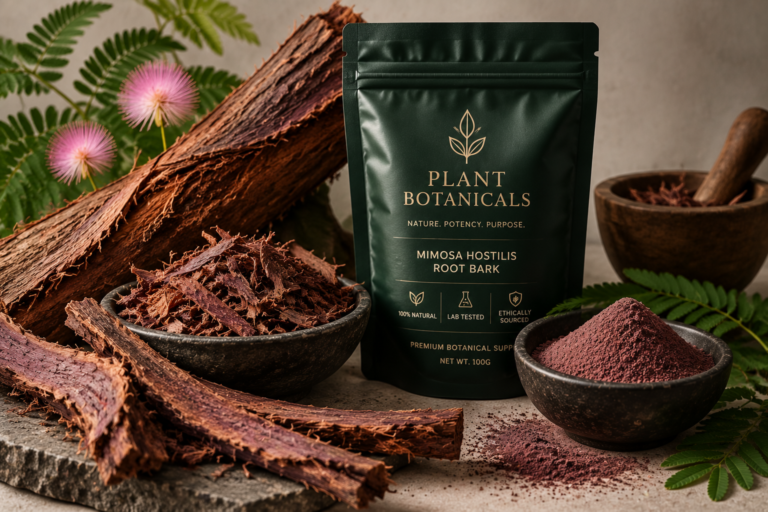
Powder and whole bark formats represent different presentations of the same botanical source.
Why Botanical Identification Matters
The botanical marketplace includes many plants with similar common names.
Scientific naming helps provide:
- Accurate species identification
- Better product transparency
- Clear educational information
Using both common names and scientific names allows visitors to better understand the botanical collection they are exploring.
Frequently Asked Questions
What is Mimosa Hostilis Root Bark?
Mimosa Hostilis Root Bark is botanical material associated with the Mimosa tenuiflora plant species.
Is Mimosa Hostilis the same as Mimosa tenuiflora?
Yes. Mimosa tenuiflora is the accepted botanical name, while Mimosa hostilis is commonly used as a synonym
What forms does Mimosa Hostilis Root Bark come in?
Botanical collections may include whole bark, shredded bark, and powdered formats.
Where does Mimosa Hostilis grow?
The plant naturally occurs in regions including northeastern Brazil and areas extending into Mexico and Central America.
Final Disclaimer
Plant Boanicals provides botanical information and collection resources for educational and lawful purposes. Customers are responsible for understanding and following all applicable laws and regulations in their location.

